Market Report ·
Barry McGovern on Oceanfront Scarcity from Southampton to Montauk
By Barry McGovern · Hedgerow Exclusive Properties
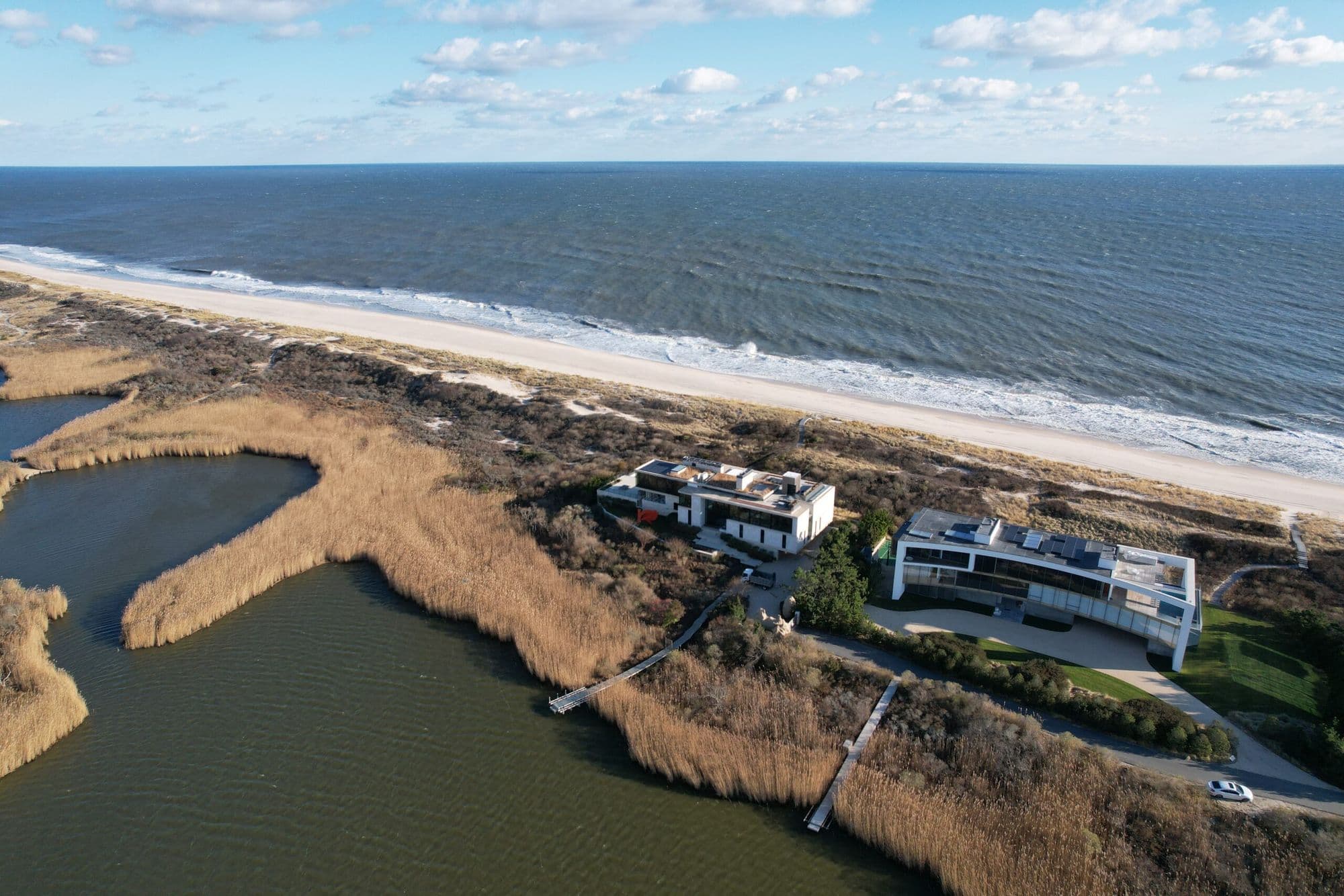
The coastline is the constraint
From Southampton to Montauk, the Hamptons oceanfront market is defined by a fact that cannot be solved with new construction: there is only so much coast. A buyer can renovate a house, improve a landscape, or rework a floor plan. No buyer can create a second row of ocean frontage, move a favored beach closer to Manhattan, or reproduce the exact relationship between dune, bluff, beach, and horizon. That is why a useful oceanfront conversation begins with scarcity and only then moves to finishes, square footage, and amenities.
The same principle applies across very different settings. Southampton can offer a legacy estate corridor, a village-adjacent home, or a quieter ocean-facing property. Bridgehampton brings bluff-top drama and its own relationship to the village and reserve. East Hampton and Amagansett offer famous lanes, deep privacy, and distinct beach conditions. Montauk adds a more elemental coastline, surf culture, harbor access, and a year-round identity. Calling all of those homes simply oceanfront hides the decisions that matter.
Frontage is more than a number
When I review an oceanfront property with a buyer, I want to understand the usable experience of the frontage. How does the house meet the land? Is there a direct beach path, a protected dune system, a bluff, or a view that depends on a neighboring parcel? How do prevailing winds, erosion exposure, access rules, and coastal regulations affect the way the property can be enjoyed? A listing can state a frontage measurement, but the daily experience requires a closer reading of the site.
The portfolio gives useful reference points without pretending that any one sale is a universal comp. 67 Surfside Drive in Bridgehampton, documented at $32,000,000, offered 187 feet of ocean frontage on 2.20 acres. 33 Lily Pond Lane in East Hampton, documented at $31,500,000, offered 171 feet of private ocean frontage on 1.81 acres. Both are Hedgerow transactions, not a promise that every property with a similar number of feet belongs in the same pricing conversation. Orientation, elevation, improvements, privacy, and timing still matter.
Southampton adds another layer. 109 Duck Pond Lane is a waterfront estate with pond and Atlantic views, a Hedgerow transaction at $20,000,000. Its value story is not interchangeable with a pure oceanfront bluff: the water relationship, the house, the approach, and the combination of pond and ocean outlook create a particular kind of setting. Buyers who understand that distinction can compare properties more intelligently and avoid paying for a label rather than a lived experience.
A practical comparison process
First, define the water relationship. “Oceanfront” can mean direct beach frontage, a bluff, a dune-side position, or a home with an ocean view but no private path. “Waterfront” can mean pond, bay, harbor, or cove. Those categories behave differently in insurance, maintenance, access, and resale conversations.
Second, map the daily route. A buyer should test the drive to the village, the beach access, the nearest market, and the practical commute. Southampton and Montauk can both deliver extraordinary coastline while producing entirely different patterns of use. If a home is meant to be a weekend base, a summer compound, or a year-round retreat, the correct micro-market may change.
Third, ask what is durable. Architecture and interiors can age well when they respond to light, weather, and the site. A pool, guest house, studio, or dock can be valuable, but only when the permitting, maintenance, and setting support the improvement. The best oceanfront decisions are not built around a single feature; they are built around a durable relationship with the land.
Fourth, plan for diligence early. Coastal properties require attention to surveys, flood exposure, insurance availability, shoreline conditions, easements, septic systems, and local approvals. A confident buyer is not the buyer who skips those questions. It is the buyer who asks them before becoming emotionally committed and understands which findings are manageable and which alter the value proposition.
The buyer and seller lens
For buyers, scarcity argues for preparation rather than panic. Establish the preferred coastline, the minimum water relationship, and the compromises that are acceptable before a property appears. Keep financial and legal advisors ready, and make sure the search includes quiet conversations where appropriate. The most useful first step is often a confidential market map, not a public portal saved-search list.
For sellers, scarcity is not a substitute for positioning. A rare address still needs accurate photography, a precise story, and a launch plan that respects privacy. Buyers at this level want to understand why a setting is difficult to replace. That can mean explaining a beach path, an orientation, a protected view, or the history of a lane, not simply repeating “oceanfront” in larger type.
The Hamptons coastline rewards specificity. Southampton through Montauk is not one market and oceanfront is not one product. Barry McGovern’s role as a Licensed Real Estate Salesperson is to help clients compare the physical setting, the public record, and the private context with discipline. For a confidential conversation about an oceanfront search or valuation, get in touch.

About the author
Barry McGovern is a Licensed Real Estate Salesperson with Hedgerow Exclusive Properties, a boutique ultra-luxury Hamptons brokerage that has facilitated over $2 billion in transactions since 2020. Dublin-born and a Sag Harbor local since 2013, Barry focuses on oceanfront, waterfront, estate-section, and private-market opportunities from Southampton to Montauk, and has been involved with the firm's landmark and record-breaking work.